
Date published: 2026-08-21 | Category: Roads, travel and transport
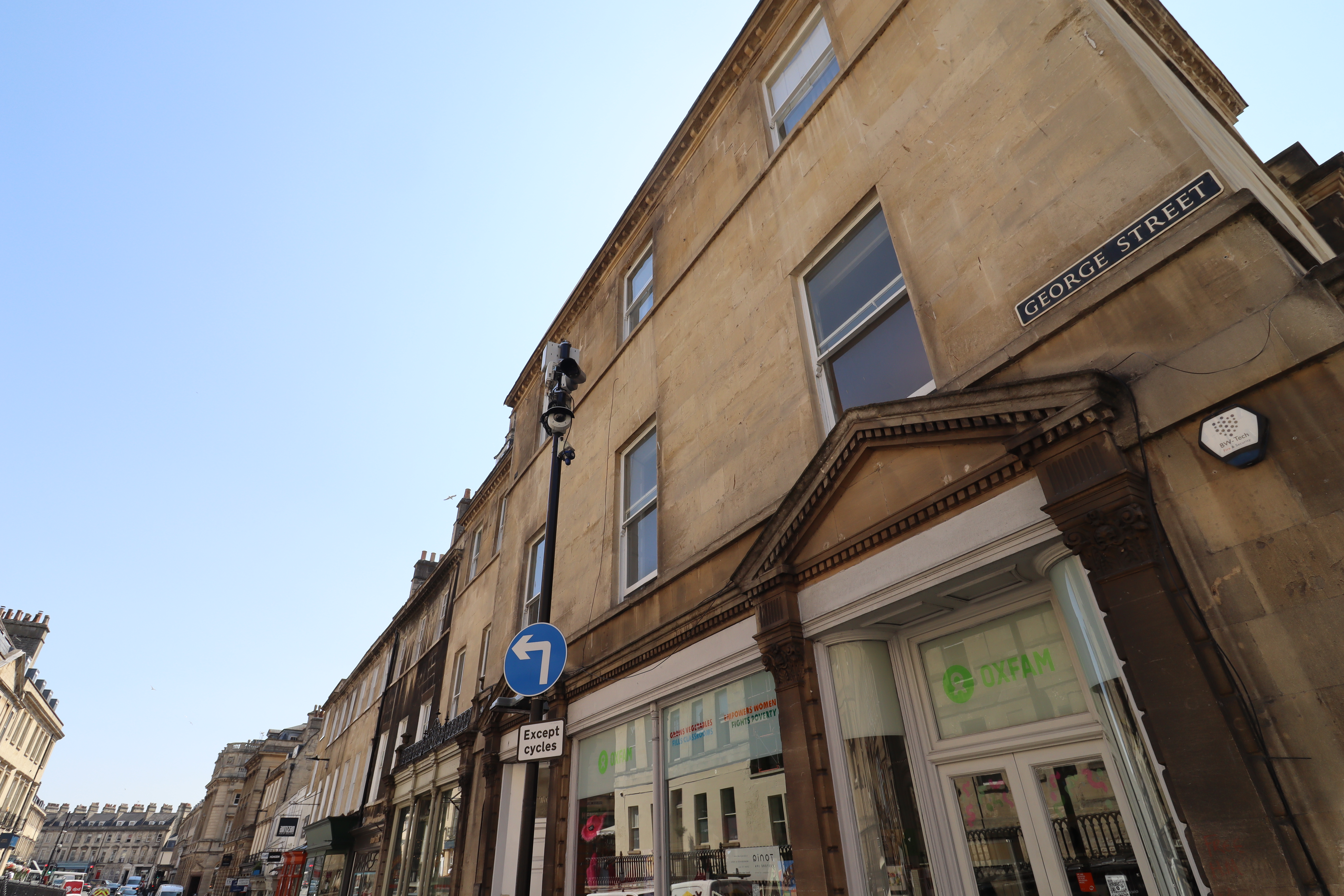
Bath & North East Somerset Council is reminding drivers to follow existing traffic restrictions as camera enforcement is introduced in Bath and Keynsham to improve road safety and reduce congestion.
Automatic Number Plate Recognition (ANPR) cameras will start enforcing existing restrictions from 24 August at:
- High Street/Bath Hill/Temple Street, Keynsham - Banned right turn restriction
- Brook Road, Bath - Commercial vehicle weight restriction
- Newbridge Road/Newbridge Hill, Bath - Banned left turn restriction
- Sion Hill/Cavendish Road, Bath – Banned turn restriction.
- George Street/Gay Street, Bath – Banned turn restriction.
To support drivers in adjusting to this new enforcement, the council will operate a six-month warning period at each location. During this period, drivers who commit a first contravention at a location will receive a warning notice rather than a Penalty Charge Notice (PCN).
Two of the restrictions being enforced are part of the council's Liveable Neighbourhoods programme. Camera enforcement here will improve compliance with the restrictions, helping them achieve their intended benefits of safer streets, reduced congestion and improved conditions for walking, wheeling and cycling.
Councillor Lucy Hodge, Cabinet Member for Sustainable Transport Delivery, said: “The restrictions at these locations are already in place and were introduced to address specific road safety and traffic management issues. Camera enforcement is the next step in ensuring they are followed consistently and fairly. When drivers don’t follow these restrictions, they put other people at risk and contribute to unnecessary congestion and delays. Our aim is to improve the environment for walking, wheeling and cycling, making journeys safer for all road users, whilst keeping traffic moving more efficiently.”
The council can enforce traffic contraventions such as yellow box junction contraventions, banned turns, commercial vehicle weight restrictions and driving in mandatory cycle lanes. Speeding offences remain the responsibility of the police.
Any income received from PCNs is strictly regulated by law. The council must first use the income to cover operation and enforcement costs. Any surplus revenue can only be used for transport-related purposes, such as improving road safety, public transport, walking, wheeling and cycling infrastructure and highway maintenance.
ENDS